
Winter Storms Continue to Disrupt North America, Testing Resilience from Coast to Coast
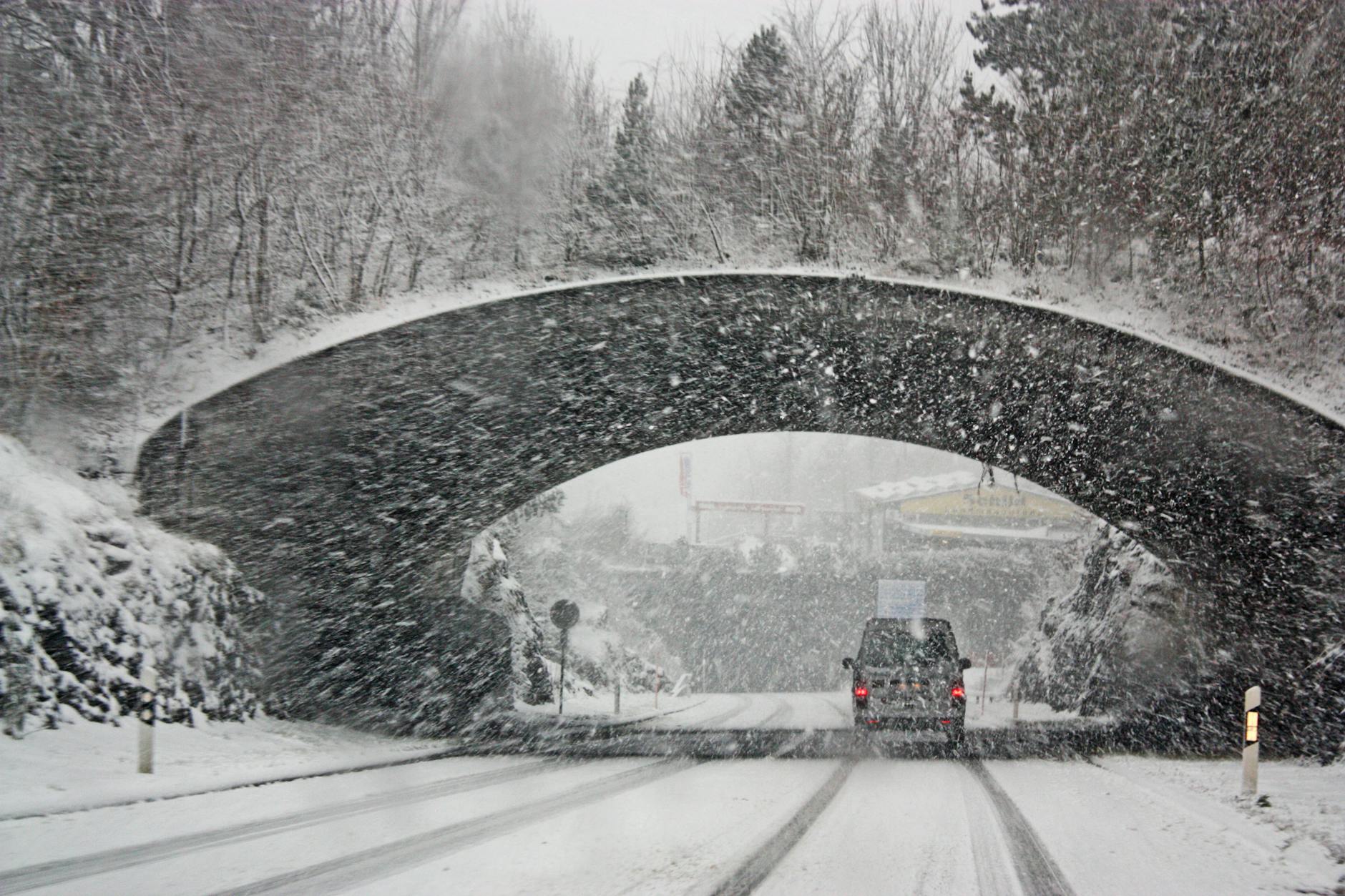
OTTAWA, January 24, 2026 – A succession of powerful winter systems has swept across North America in recent weeks, disrupting travel, causing widespread power outages, and reminding residents of the continent’s vulnerability to severe winter weather. From historic blizzards in the southern United States to paralyzing ice storms in Atlantic Canada, the 2024-2025 winter season has already proven particularly active, with significant events recorded from December 2025 through early January 2026.
Recent Storm Impacts and Travel Disruption
The winter season’s severity was sharply illustrated in early January 2026, when a powerful storm system caused major travel disruptions across Canada. On January 2, 2026, severe winter weather triggered at least 598 flight delays and 98 cancellations at major hubs including Toronto Pearson, Vancouver International, Montreal Trudeau, and Calgary International airports. The disruptions created cascade effects that rippled through North American air networks, stranding thousands of travellers during the peak return period following New Year holidays.
Toronto Pearson International Airport – Canada’s busiest – bore the brunt with 229 flight delays and 34 cancellations as freezing rain combined with strong winds reaching 70-90 km/h gusts and low visibility moved through the region. Similar challenges were reported at Vancouver International (82 delays, 23 cancellations), Montreal Trudeau (109 delays, 15 cancellations), and Calgary International (112 delays, 7 cancellations). Airlines including Air Canada and WestJet activated flexible rebooking policies as they worked to manage the fallout from blizzards, snow squalls, high winds, and dense fog affecting multiple provinces simultaneously.
Historical Context: Notable North American Winter Storms
The recent disruptions follow a pattern of significant winter weather events that have affected the continent in recent years. The December 13–15, 2025 North American winter storm was a fast-moving but disruptive system that brought the heaviest snowfall accumulations to areas near Philadelphia and New York City since 2022. The storm eventually struck Atlantic Canada with near-blizzard conditions on December 15, causing severe impacts there with hurricane-force wind gusts reaching 140-160 km/h and heavy snowfall peaking at 46 cm.
More devastating historical events provide sobering context. The February 13–17, 2021 winter storm – unofficially named Winter Storm Uri – resulted in a major power crisis in Texas and was estimated to have caused at least 276 deaths in the United States with damage costs reaching approximately US$26.5 billion. Similarly, the December 21–26, 2022 North American blizzard created crippling conditions across the majority of the United States and parts of Canada, killing at least 100 people with 41 deaths occurring in the Buffalo area alone where lake-effect snowfall exceeded 140 cm over five days.
Key Storm Impacts and Statistics
| Event | Primary Impacts |
|---|---|
| December 13–15, 2025 Storm | 6 deaths in U.S.; 64,100 combined power outages in U.S. and Canada; hurricane-force winds to 160 km/h in Atlantic Canada |
| February 13–17, 2021 Storm (Uri) | At least 276 U.S. deaths; US$26.5 billion in damage; major Texas power crisis affecting millions |
| December 21–26, 2022 Blizzard | At least 100 deaths; 18,200+ U.S. flight cancellations; 6.3 million U.S. households without power |
| January 2, 2026 Disruptions | 598 flight delays, 98 cancellations across Canada; major hub operations severely affected |
| December 2013 Storm Complex | 29 deaths; over 1 million without power; $200+ million in damages from ice storms and tornadoes |
Government Response and Preparedness Measures
In response to severe winter events, Canadian authorities have activated emergency protocols. Following a significant February 2024 snowstorm in Nova Scotia that resulted in one of the heaviest snowfalls in the province in twenty years, the federal government approved a Request for Federal Assistance. Support included Parks Canada providing heavy snow clearing equipment from Cape Breton Highlands National Park, Canadian Coast Guard air transport for critical supplies, and Public Services and Procurement Canada coordination for snow removal procurement.
Emergency management experts emphasize that preparedness is crucial for surviving winter emergencies. Public Safety Canada recommends that all households maintain emergency kits with sufficient supplies for at least 72 hours, including water (2-4 litres per person), non-perishable food, flashlights with extra batteries, first aid supplies, and alternative heat sources. For vehicles, essential winter kits should include blankets, flashlight, shovel, ice scraper, sand or kitty litter for traction, jumper cables, and non-perishable snacks.
Climate Patterns and Future Outlook
Environment Canada’s winter outlook for December 2024 through February 2025 predicted near to above average temperatures across most of Canada, particularly in northern and eastern regions. However, the agency noted that western regions would experience warmer conditions at the start of winter before trending cooler. The 2024-2025 season has already featured several significant events, including a historic blizzard that struck the Gulf Coast of the United States in late January 2025 in tandem with a severe cold wave – described as one of the deadliest and costliest events of the season.
Meteorologists attribute some of the extreme patterns to the breakdown of the polar vortex, which can send Arctic air masses southward across the continent. This phenomenon contributed to a prolonged cold wave throughout much of January 2025 that impacted most of the U.S. and parts of Canada, with temperatures in Saskatchewan dropping to -30°C and daily record lows set in multiple U.S. cities.
Frequently Asked Questions
What should I include in a home winter emergency kit?
Your kit should contain water (2-4 litres per person), non-perishable food, manual can opener, flashlight with extra batteries, battery-powered or wind-up radio, first aid kit, extra keys, cash in small bills, prescription medications, and copies of important documents. For winter specifically, add extra blankets, warm clothing, and alternative heat sources.
How can I prevent carbon monoxide poisoning during winter power outages?
Never use fuel-burning generators, camping stoves, or BBQs indoors, in garages, or under covered areas. Operate portable generators at least 6 metres (20 feet) from all homes with exhaust directed away from openings. Ensure carbon monoxide alarms with battery backup are installed in hallways and outside sleeping areas, and that fuel-burning appliances are properly maintained.
What should I do if trapped in my vehicle during a winter storm?
Stay inside your vehicle where rescuers are more likely to find you. Run the engine and heater for about 10 minutes each hour to conserve fuel, keeping a downwind window slightly open for ventilation. Ensure the exhaust pipe is not blocked by snow. Make yourself visible to rescuers by turning on dome lights at night and tying a coloured cloth to your antenna or door.
Are airlines required to provide compensation for weather-related delays?
Under Canada’s Passenger Rights Regulations, airlines must provide food, communication, and overnight accommodation when delays exceed stipulated thresholds – unless the disruption is caused by weather deemed beyond airline control. While compensation may not be required for weather events, many carriers offer meal vouchers, hotel discounts, or flexible rebooking options as goodwill gestures during major disruptions.