
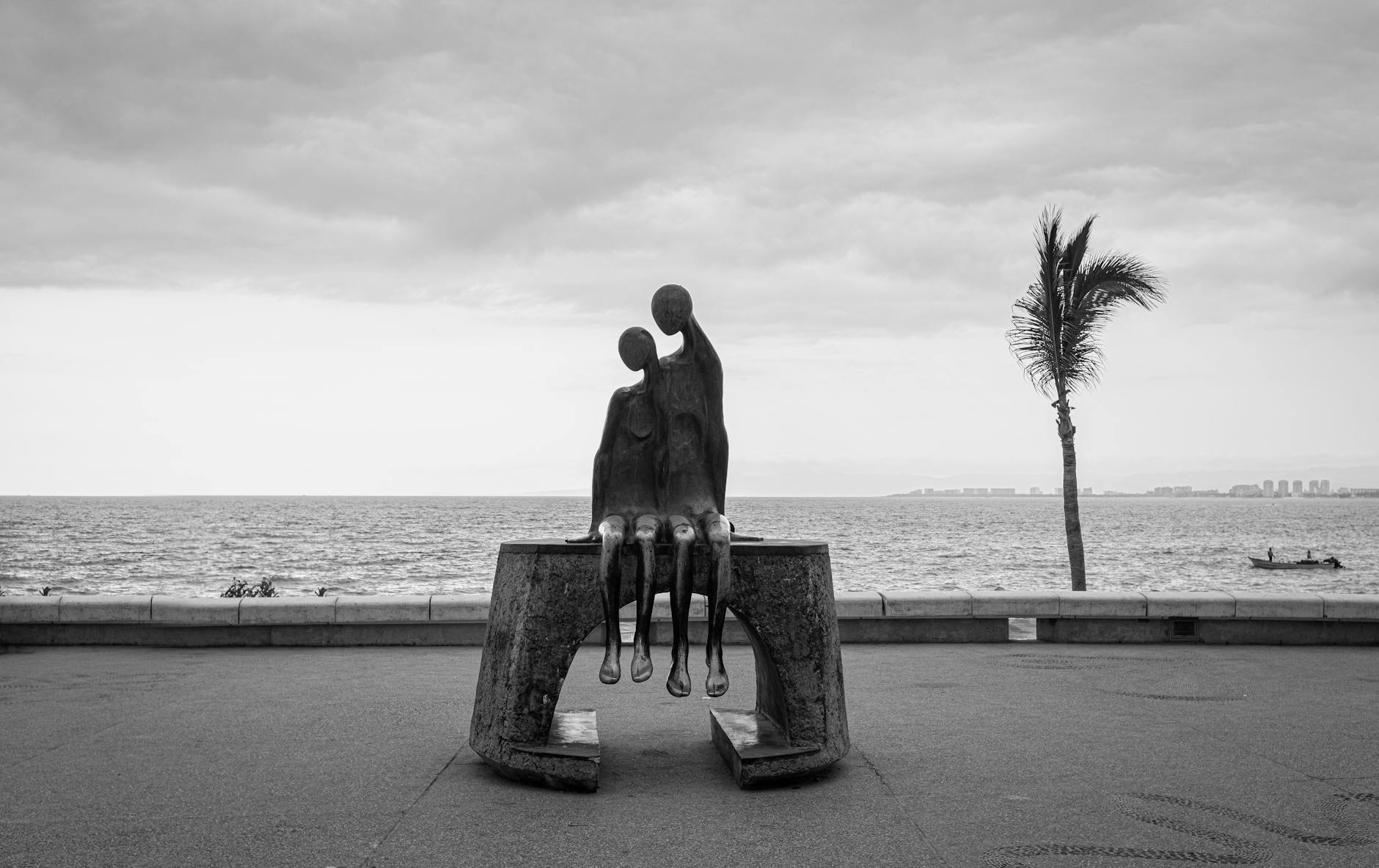
PUERTO VALLARTA, Mexico — The United States Department of the Treasury has issued a sweeping set of sanctions against a sophisticated fraud network operated by the Jalisco New Generation Cartel (CJNG), exposing how the criminal syndicate uses legitimate-looking tourism infrastructure to fleece international travellers.
On 19 February 2026, the Office of Foreign Assets Control (OFAC) designated Kovay Gardens, a beachfront resort located in Bahía de Banderas, Nayarit, as a primary hub for cartel-led timeshare fraud. The sanctions also targeted five Mexican nationals and 17 associated companies, marking a significant escalation in the North American effort to dismantle the CJNG’s diversified financial streams.
The Timeshare Trap
According to federal investigators, the CJNG—led by the elusive Nemesio Oseguera Cervantes, known as “El Mencho”—has moved beyond traditional narcotics trafficking into high-stakes white-collar crime. The network reportedly uses call centres staffed by English-speaking agents to target older Americans and Canadians with fraudulent timeshare offers.
The scheme typically involves:
- Automated Outreach: Using front companies to place thousands of automated calls to potential victims.
- Sales Presentations: Luring tourists to resorts like Kovay Gardens under the guise of legitimate investment opportunities.
- Financial Siphoning: Once a “sale” is made, the funds are laundered through a web of 17 shell companies to fund the cartel’s paramilitary operations.
Security Climate in Jalisco
While Puerto Vallarta remains one of Mexico’s most popular destinations for Canadian expatriates and tourists, the recent sanctions highlight the invisible grip the CJNG maintains over the region. Local reports from 15 February 2026 indicated a “Red Alert” status in parts of Jalisco following vehicle fires and explosions in Tapalpa and near the Guadalajara airport, though the tourist zones of Puerto Vallarta have remained largely insulated from direct cartel skirmishes.
Security analysts note that while the cartels generally avoid targeting tourists with physical violence to protect their “business” interests, the risk of financial exploitation has reached an all-time high. The U.S. Treasury warned that unsuspecting owners of Mexican timeshares may inadvertently be funding a “terrorist cartel.”
Travel Advisory and Impact
The Canadian government continues to advise travellers to exercise a high degree of caution in Jalisco due to organized crime. The recent blacklisting of Kovay Gardens serves as a stark reminder for visitors to perform rigorous due diligence before engaging in any property or timeshare transactions in the Riviera Nayarit and Puerto Vallarta areas.
As of 22 February 2026, the Mexican government has launched its own probe into the resort’s operations following the U.S. announcement. Despite the legal crackdown, the CJNG remains the dominant criminal force in the state, maintaining a monopoly over local drug trafficking and increasingly, the local hospitality sector.
Editor’s Note: Travellers currently holding contracts with sanctioned entities are advised to consult legal counsel regarding “wind-down” transactions permitted under the new OFAC licenses.