
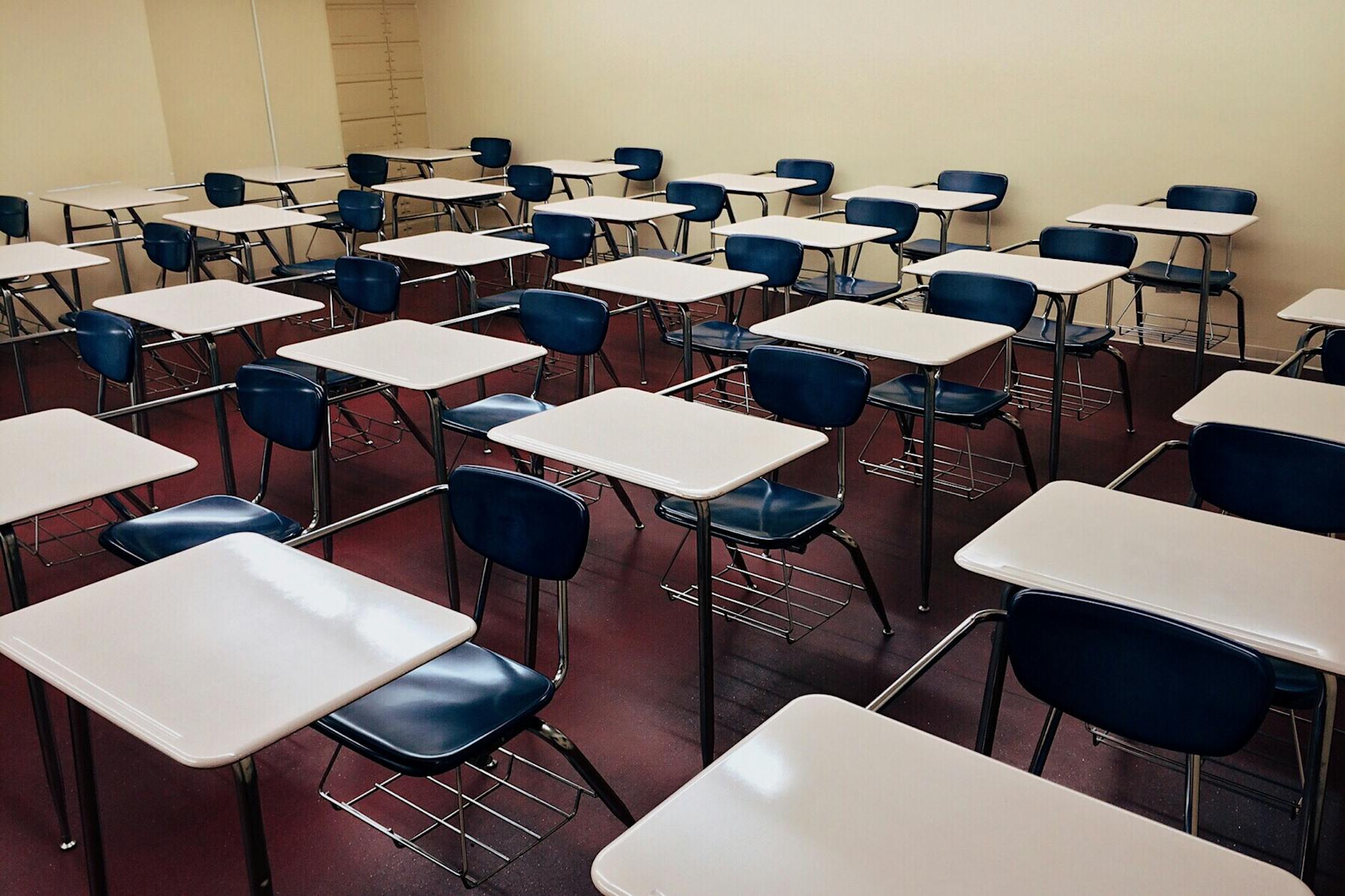
The modern classroom is undergoing a fundamental structural shift, moving away from the rigid, industrial-era models of the 20th century toward highly specialized, technology-integrated environments. As of 23 February 2026, the evolution of the learning space is being defined by two primary forces: the integration of Artificial Intelligence (AI) and a provincial focus on “classroom complexity.”
The Shift Toward Specialized Environments
In Western Canada, the concept of the “standard” classroom is being replaced by specialized hubs designed to address diverse student needs. In Red Deer, Alberta, the opening of a third CASA Mental Health Classroom at St. John Paul II Outreach School this week highlights a growing trend: embedding clinical mental health services directly into the school day. These environments allow students to access psychiatric and therapeutic support without leaving the educational setting, reflecting a broader recognition that psychological safety is a prerequisite for learning.
Simultaneously, Alberta is looking toward Saskatchewan’s model for tackling “classroom complexity.” This involves deploying specialized teams to assist teachers who manage high ratios of students with complex needs—currently estimated at 34 per cent in Edmonton public schools. The physical design of these spaces is evolving to include:
- Flexible Seating: Soft seating and breakout areas that replace traditional rows of desks.
- Decentralized Layouts: Moveable furniture that allows for rapid transitions between solo work and group collaboration.
- Sensory Integration: Spaces designed to accommodate neurodivergent learners through lighting and sound control.
The AI Revolution and Digital Integration
The digital classroom has moved beyond the era of smartboards and tablets into the age of generative AI. In February 2026, the American Federation of Teachers and Google announced a sizable partnership to invest in AI instruction for educators. This $23 million initiative aims to provide teachers with the tools to automate administrative tasks, allowing for more personalized student interaction.
At the university level, institutions like Carleton University are currently debating the ethical boundaries of AI. The focus has shifted from “preventing” AI use to teaching students how to use it as a co-pilot for critical thinking. This transition marks a significant milestone in the history of classroom technology, which began with the radio in the 1920s and overhead projectors in the late 20th century.
Historical Context: From 1860 to 2026
The evolution of the classroom can be viewed through several distinct eras of technology and philosophy:
| Era | Key Technology/Focus | Classroom Philosophy |
|---|---|---|
| 1860s–1890s | Chalkboards & Slates | Rote memorization and teacher-centric instruction. |
| 1920s–1950s | Radio & Filmstrips | The birth of “on-air” classes and distance learning. |
| 1990s–2010s | 1:1 Laptops & Tablets | The shift toward decentralized, student-led research. |
| 2024–Present | Generative AI & Mental Health Hubs | Personalized, adaptive learning and holistic support. |
Current Challenges
Despite these advancements, the classroom remains a site of significant pressure. Recent data from Texas indicates a drop in enrollment of over 13,000 students as families seek alternative models, while in Canada, the debate over funding for “complexity teams” continues. Furthermore, the U.S. Department of Education recently secured deals to end certain Ph.D. partnerships, signaling a tightening of higher education funding that may impact classroom resources in the coming years.
As of late February 2026, the classroom is no longer just a room with a chalkboard; it is a dynamic, tech-enabled environment that prioritizes the psychological and individual needs of the student over the standardized requirements of the past.