
Exploring Iceberg Viewing in Newfoundland and Labrador
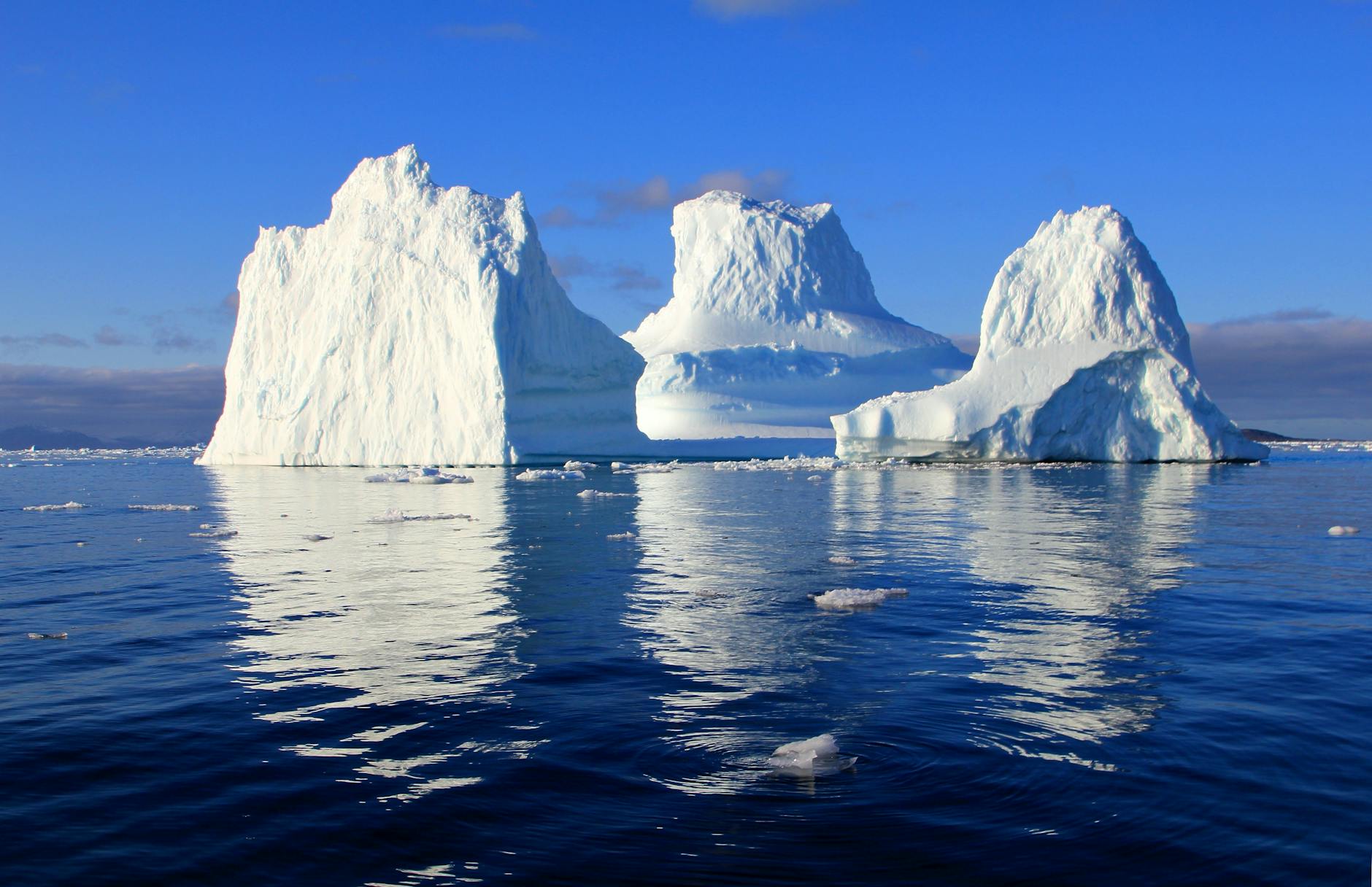
St. John’s, Newfoundland and Labrador, January 12, 2026 – Newfoundland and Labrador offers unparalleled opportunities to witness majestic icebergs drifting along its rugged coastline, a natural spectacle drawing visitors from around the world. With tips on safe viewing, optimal seasons, and key locations, adventurers can plan an unforgettable experience amidst these ancient glacial giants.
What to Watch For When Viewing Icebergs
Icebergs in Newfoundland and Labrador come in various shapes and sizes, originating primarily from Greenland’s glaciers. Visitors should look for colour streaks, caves, tunnels, and waterline notches on the ice. Occasionally, large rocks embedded in the bergs or even animal carcasses, like one spotted years ago, add intrigue. Seabirds often perch atop icebergs, and their sudden flight may signal an impending roll or break-up, providing a dramatic visual and auditory treat.
Safety Tips for Iceberg Viewing
Icebergs are unpredictable, making navigation challenging. From the water, maintain a safe distance equal to the iceberg’s length or twice its height, whichever is greater, to avoid falling ice, waves, and submerged hazards. On land, use binoculars or a camera with zoom for distant views. Always prioritize safety, as these massive structures can tip or roll unexpectedly.
Best Time to See Icebergs
Icebergs are most plentiful from April to August, with peak sightings in May and June along Newfoundland’s coast and March to July in Labrador. The last bergs typically melt by early August near St. Anthony, Twillingate, and St. John’s. Check with local operators or the Canadian Ice Service for current conditions, as sea ice can trap tour boats earlier in the season.
Where to View Icebergs
Popular spots include Cartwright, Battle Harbour, Point Amour, St. Anthony, La Scie, Twillingate, Bonavista, St. John’s/Cape Spear, and Bay Bulls/Witless Bay. These locations are accessible by road, with some in Labrador reachable by car ferry. Further north offers more sightings, but travel around is advised as icebergs move constantly.
Viewing from Shore vs. Boat
From shore, visibility depends on elevation, berg height, and atmospheric conditions. Use the IcebergFinder.com tool for real-time tracking. Boat tours provide closer access, but prioritize licensed operators for safety. Kayaking offers an intimate experience, while trails and viewpoints allow land-based observation.
Key Facts / Stats
| Distance from Shore | Viewing Experience |
|---|---|
| Less than 5 km | Highly likely excellent view; better from a hilltop. |
| 5 km to 10 km | Good view from distance; use zoom lens or binoculars. |
| 10 km to 15 km | Bring binoculars, camera lens, or telescope. |
| Greater than 15 km | Opt for a boat tour. |
Popular Shore Viewing Spots
| Site | Elevation |
|---|---|
| Signal Hill | 250 metres / 820 feet |
| Cape Race Lighthouse | 30 metres / 100 feet |
| Cape Spear | 75 metres / 250 feet |
| Twillingate Lighthouse | 100 metres / 330 feet |
| Point Amour Lighthouse | 33 metres / 110 feet |
Frequently Asked Questions
When can I see icebergs, whales, and seabirds together?
In some years, northward migrating whales and seabirds cross paths with southward drifting bergs along Newfoundland’s northeast coast. This triple spectacle is not guaranteed, even in peak season, due to varying factors like berg numbers, water temperatures, and migration timing.
What are common iceberg shapes?
Icebergs vary widely due to melting and breaking. Categories include tabular (flat tops), domed, and wedge-shaped. Tabular bergs are most stable, while others may roll unexpectedly.
Do icebergs hit the bottom?
Yes, icebergs often ground on the seabed, especially near shore or reefs. This can create troughs up to half a metre deep and several kilometres long, as seen in the Grand Banks.
How did the Titanic relate to icebergs in this region?
The Titanic sank in 1912 after striking an iceberg about 400 miles from Newfoundland’s coast, highlighting the region’s iceberg dangers. Most icebergs here originate from Greenland, similar to those encountered by the ship.