
Meat Prices Poised for Sharp Increase in Canada in 2026
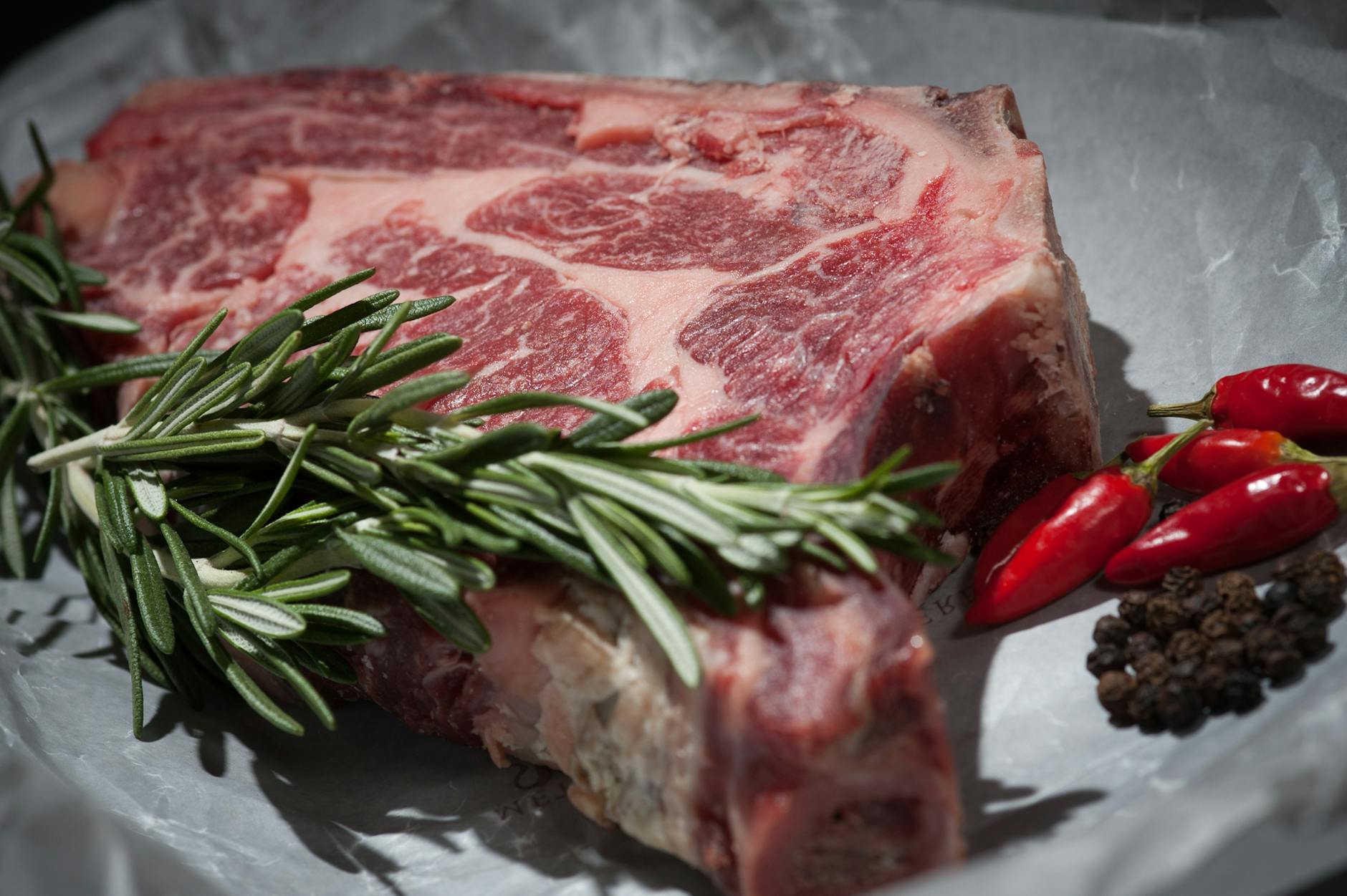
Toronto, January 8, 2026 – Canadian grocery bills are set to climb further in 2026, with meat prices leading the charge, according to the latest Canada’s Food Price Report from Dalhousie Agri-food Analytics Lab. Overall food costs are forecasted to rise between 4% and 6%, but meat products could see increases of 5% to 7%, driven primarily by soaring beef prices amid tightening supply and shifting consumer preferences toward alternatives like chicken.
Key Drivers Behind Rising Meat Prices
The report highlights several factors contributing to higher meat costs. Beef supply is constrained by smaller cattle sizes, fewer ranchers in the industry, and ongoing trade pressures, with these issues expected to persist through at least 2027. In 2025, beef prices jumped 9% overall, including a 19% spike in the first quarter, while production costs for cattle producers rose 11.3% and processing costs increased 10.7%. As consumers turn away from beef due to affordability concerns, demand for chicken has surged, pushing up prices across the meat aisle. Additionally, pantry staples like canned and packaged goods are becoming more expensive after years of stability, compounding the financial strain on households. Food insecurity is rising, with nearly 85% of Canadians reporting increased food expenses in the past year, and the average family of four could spend nearly $1,000 more on groceries in 2026.
Regional and Category Impacts
Provinces like Alberta, New Brunswick, Nova Scotia, Ontario, and Quebec are expected to face food price increases above the national average. Meat remains the category with the highest price hikes, outpacing vegetables, fruits, dairy, and seafood. For instance, chicken prices are set to rise substantially due to heightened demand as a beef alternative, while strengthened import partnerships with Mexico and Australia aim to stabilize beef supplies but may not fully alleviate pressures until 2027. Labour shortages in meat processing, with vacancy rates exceeding 20%, further exacerbate production challenges, limiting output and driving costs higher.
Key Facts / Stats
| Category | Projected Price Increase (2026) | Key Notes |
|---|---|---|
| Overall Food Prices | 4% to 6% | Average family of four to spend $17,571.79, up to $994.63 from 2025. |
| Meat Products | 5% to 7% | Led by beef; 7.2% rise in 2025 retail meat prices. |
| Beef | Up to 7% | 23% higher than five years ago; cattle herd at lowest since 1988. |
| Chicken | Substantial rise | Increased demand as beef alternative; underproduction issues. |
| Vegetables | 3% to 5% | Moderate increase compared to meat. |
| Fruits | 1% to 3% | Lowest among categories. |
Frequently Asked Questions
Why are beef prices rising so sharply?
Beef prices are climbing due to a shrinking cattle herd, higher production and processing costs, and supply constraints from fewer ranchers and trade issues. Droughts in Western Canada have also reduced feed availability, pushing up costs for ranchers.
How much more will Canadians pay for food in 2026?
The average family of four is expected to spend up to $994.63 more on food, with meat accounting for a significant portion of the increase. Overall, food prices are 27% higher than five years ago.
Are there alternatives to expensive meat?
Many consumers are shifting to chicken or plant-based substitutes, though chicken prices are also rising. Some are adopting more vegetarian or flexitarian diets to save money, with plant-based meat alternatives growing in popularity.
What is causing labour shortages in meat processing?
The industry faces a crisis with 20% vacancy rates, leading to reduced production. Government caps on temporary foreign workers and efforts to reduce their numbers by 2027 are contributing factors.
Will beef prices stabilize soon?
Prices are not expected to decline soon, with tight supply likely lasting through 2027. However, increased imports and potential herd rebuilding could help in the longer term.