
The Insurrection Act: Empowering Presidents to Deploy Military Forces Domestically
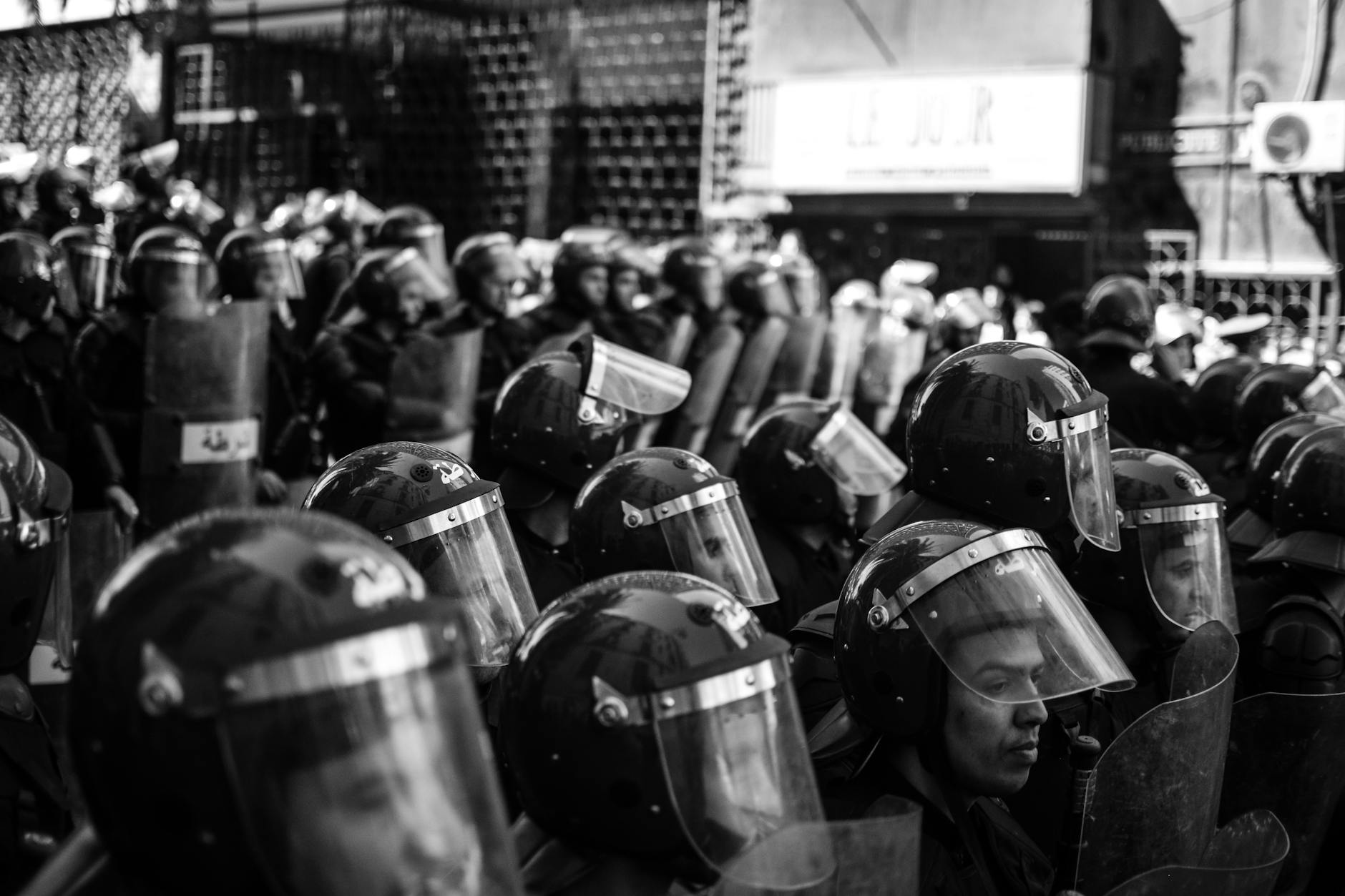
Toronto, Ontario – January 15, 2026 – The Insurrection Act, a federal law dating back to 1807, grants the U.S. president authority to deploy military forces within the United States to suppress insurrections, domestic violence, or obstructions to federal law enforcement. Enacted during the presidency of Thomas Jefferson, it has been invoked sparingly throughout history, most recently in 1992 during the Los Angeles riots. As debates continue over its potential use in modern contexts like protests and border security, the act remains a cornerstone of presidential emergency powers, balancing national security with constitutional constraints.
What is the Insurrection Act?
The Insurrection Act, codified in Title 10 of the United States Code (Sections 251–255), allows the president to call upon the U.S. military or federalize the National Guard to enforce federal laws or quell rebellions when ordinary judicial processes are deemed impracticable. It serves as an exception to the Posse Comitatus Act, which generally prohibits the use of federal troops for domestic law enforcement. The act outlines three primary scenarios for invocation: when a state requests aid to suppress an insurrection, when obstructions make federal law enforcement impossible, or when domestic violence deprives citizens of constitutional rights and state authorities fail to protect them.
Historical Invocations
The Insurrection Act has been invoked approximately 30 times since its inception, primarily during periods of significant unrest. Early uses included suppressing rebellions against federal authority in the late 18th and early 19th centuries. During the Civil War, President Abraham Lincoln invoked it to maintain order. In the 20th century, it was used to enforce desegregation during the civil rights movement, such as in 1957 at Little Rock Central High School and in 1963 in Alabama. More recently, President George H.W. Bush invoked it in 1992 to quell the Los Angeles riots following the acquittal of police officers in the Rodney King beating case. The act has never been used for immigration enforcement, despite recent discussions.
Key Facts and Invocations
| Date Invoked | President | Cause | Outcome |
|---|---|---|---|
| April 19, 1808 | Thomas Jefferson | Violations of the Embargo Act | Act repealed in 1809 without resolution |
| September 23, 1957 | Dwight D. Eisenhower | Arkansas school desegregation | Federal troops escorted students |
| May 1, 1992 | George H.W. Bush | Los Angeles riots | Riots suppressed |
Current Debates and Reforms
In recent years, the Insurrection Act has sparked controversy amid discussions of its potential use for border security or suppressing protests. In 2020, President Donald Trump threatened to invoke it during George Floyd protests, though officials dissuaded him. By 2025, Trump considered it for anti-deportation protests in Los Angeles and other cities, but reports recommended against it due to low border crossings. Critics argue the act’s vague language risks abuse, potentially violating constitutional rights. Reform proposals, including those from the Brennan Centre for Justice and Congress, suggest requiring congressional consultation, limiting deployment to 14 days without approval, and clarifying criteria to prevent misuse. Supporters maintain it is essential for extreme emergencies, but emphasize it should be a last resort.
Frequently Asked Questions
What are the limitations on the Insurrection Act?
The act is limited by the Constitution, tradition, and the Posse Comitatus Act. It cannot be used for martial law, and troops must respect constitutional rights, such as avoiding warrantless searches. Courts can review invocations for bad faith or obvious mistakes.
Has the Insurrection Act ever been used for immigration?
No, the Insurrection Act has never been invoked for immigration enforcement or border security. Discussions in 2025 about using it for mass deportations were deemed inappropriate by experts.
Why is the Insurrection Act controversial?
Its broad, outdated language allows significant presidential discretion, raising fears of abuse to suppress dissent or enforce partisan agendas. Reforms aim to add checks, such as judicial review and time limits.