
Trump Renews Push for U.S. Acquisition of Greenland Amid National Security Concerns
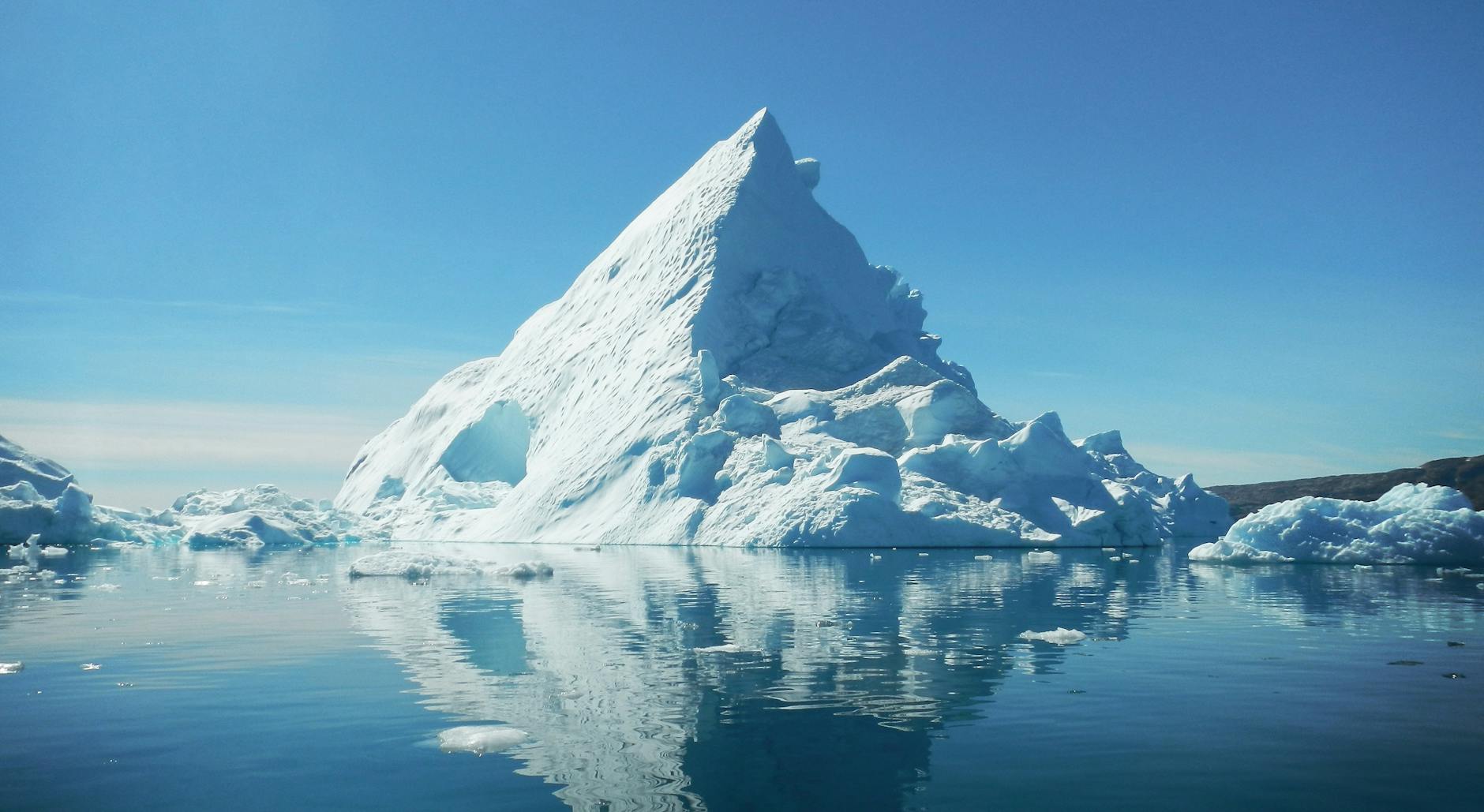
Copenhagen, January 6, 2026 – U.S. President Donald Trump has reiterated his desire to acquire Greenland, citing national security imperatives in the face of rising Russian and Chinese influence in the Arctic. Danish and Greenlandic leaders have firmly rejected the proposal, warning that such a move could undermine NATO and violate international norms. The debate echoes historical U.S. attempts to purchase the territory, while recent polls show overwhelming Greenlandic opposition to annexation.
Historical Context and Trump’s Renewed Interest
Related Video: INFILTRATED! – How the USA buys Greenland's elite
President Trump’s interest in Greenland dates back to his first term, when he proposed buying the island in 2019, only to be rebuffed by Denmark and Greenland. The idea resurfaced in December 2024 and intensified following the U.S. military operation in Venezuela, which Trump linked to broader security threats. In a social media post, Trump stated that U.S. ownership and control of Greenland is “an absolute necessity” for national security and global freedom.
Historically, the U.S. has pursued Greenland acquisitions since the 19th century. In 1867, following the Alaska purchase, the U.S. offered to buy Greenland and Iceland from Denmark amid its vulnerabilities after the Second Schleswig War. Another attempt in 1946 valued the territory at $100 million (equivalent to about $1.2 billion today), driven by Cold War security needs, but Denmark declined. Trump’s proposal aligns with precedents like the Louisiana Purchase and Alaska acquisition, though critics argue it treats Greenlanders as pawns without consent.
Greenland, an autonomous territory of Denmark, has seen growing independence sentiments. Nearly 80% of Greenlanders support full independence from Denmark, according to recent polls, but only 6% favour joining the U.S., with 85% opposed. The territory’s Prime Minister, Jens Frederik Nielsen, dismissed Trump’s comments as a “fantasy” and emphasized that Greenland is “not for sale.” Danish Prime Minister Mette Frederiksen echoed this, stating that a U.S. takeover would end NATO, as Greenland’s defence is Denmark’s responsibility.
Key Facts and Polls on Greenland’s Future
| Aspect | Details |
|---|---|
| Greenlandic Independence Support | Almost 80% of Greenlanders back independence from Denmark (recent polls). |
| Opposition to U.S. Annexation | 85% of Greenlanders reject becoming part of the U.S.; 6% support it; rest undecided (January poll). |
| Historical U.S. Offers | 1946 offer: $100 million (equivalent to $1.2 billion today); 2019 proposal rejected as “not for sale.” |
| Strategic Value | Rich in rare earth minerals (e.g., lithium, titanium); key for Arctic security against Russia and China. |
| NATO Implications | Danish PM Frederiksen warns U.S. takeover would end NATO alliance. |
Frequently Asked Questions
Why does Trump want to acquire Greenland?
Trump argues that Greenland is essential for U.S. national security, particularly to counter Russian and Chinese naval presence in the Arctic. He has also highlighted its mineral wealth, including rare earth elements critical for technology, and its strategic location for NATO defence. However, he has downplayed economic motives, noting the U.S. has abundant resources elsewhere.
What do the people of Greenland think about Trump’s proposal?
Greenlanders overwhelmingly oppose U.S. annexation. Locals like tour operator Dines Mikaelsen have called it a “dangerous idea,” while former Prime Minister Aleqa Hammond likened it to treating Greenland as a commodity. Polls indicate strong support for independence from Denmark but rejection of U.S. control, with some pro-U.S. voices in parties like Naleraq seeing potential benefits for defence cooperation.
Could a U.S. acquisition happen, and what are the implications?
Both Danish and Greenlandic governments have rejected the idea, emphasizing self-determination. European leaders, including those from France, Germany, and the UK, have united in defence of Greenland’s sovereignty. A forced acquisition could fracture NATO and provoke international backlash, while Greenland’s economy faces challenges amid these tensions, according to Denmark’s central bank.