
U.S. Warns Cuba Off Russian Oil as Sanctioned Tankers Approach
A direct challenge to the embargo unfolds in the Caribbean, testing Washington’s resolve
Canada Wire | 20 March 2026
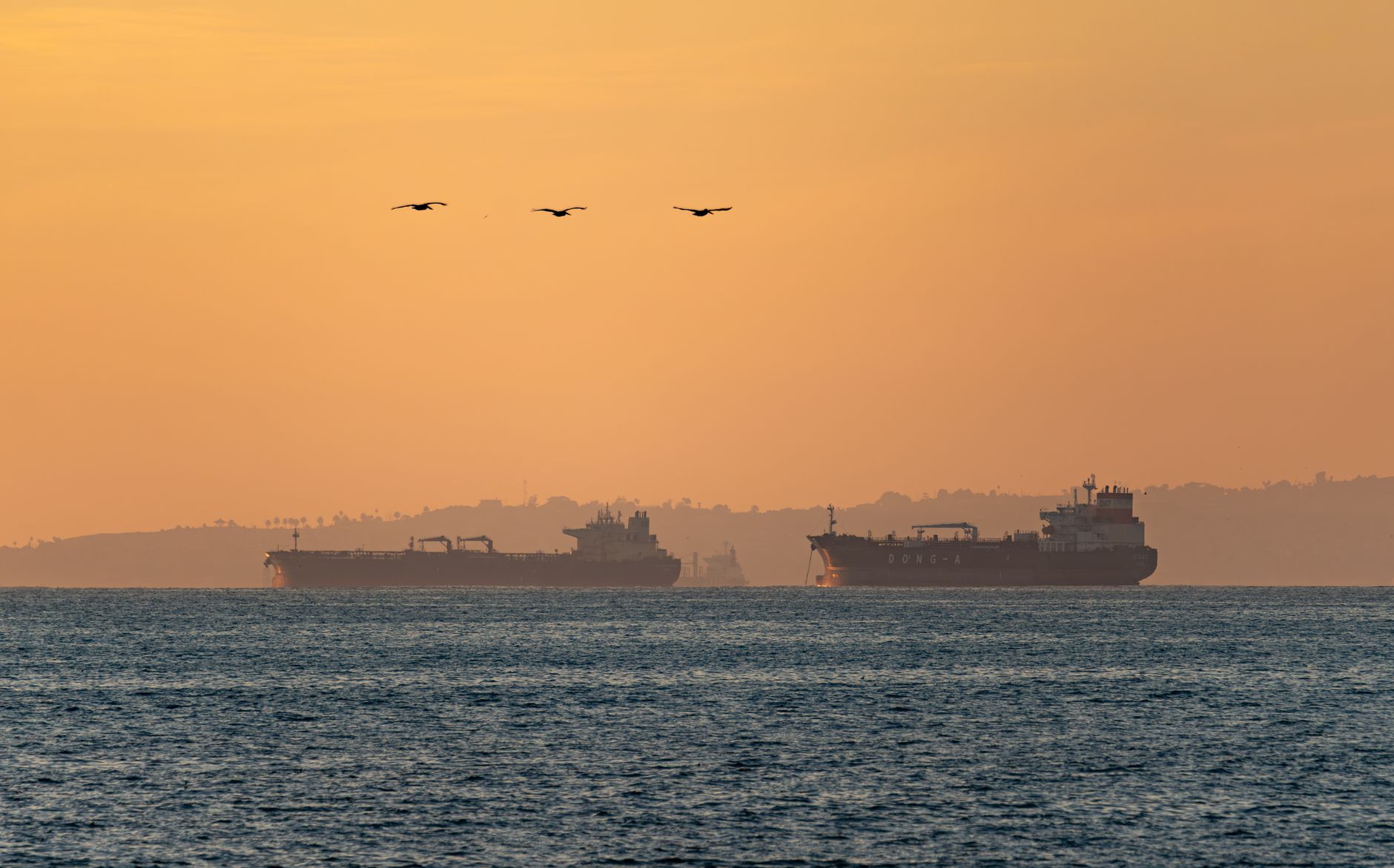
The United States has explicitly warned Cuba it cannot accept Russian oil, as at least two sanctioned tankers from Moscow’s “shadow fleet” steam towards the island nation in a brazen test of Washington’s sanctions regime and decades-old embargo.
The U.S. Treasury Department amended its sanctions relief for Russian oil tankers on Thursday, 19 March 2026, making clear that shipments bound for Cuba and North Korea remain strictly prohibited. The move comes as maritime tracking data shows the Russian-flagged tanker Anatoly Kolodkin, carrying an estimated 730,000 barrels of crude oil, is due to arrive in Cuban waters by 23 March.
A second vessel, the Sea Horse “The U.S. Treasury Department has made clear that Cuba is not allowed to take delivery of Russian crude,” a CNBC report stated on 20 March. This sets the stage for a high-stakes confrontation. If the deliveries proceed, they would be the first confirmed shipments of Russian fuel to Cuba since a stringent U.S. oil blockade was imposed in January, plunging the country into its worst energy crisis in decades. Cuba has been operating on natural gas and emergency reserves for months, with nationwide blackouts becoming routine. Bloomberg reported the island is “fuel-starved” and seeking a reprieve. Russia’s decision to dispatch the tankers is a direct political challenge to the Trump administration, which had vowed to tighten the embargo. “Russia has decided to defy Washington’s oil embargo against Cuba, which has not received a single drop of fuel since January,” noted El País. The tankers heading to Cuba are part of Russia’s sprawling “shadow fleet”—a clandestine network of hundreds of often-aged vessels used to transport oil while evading Western sanctions. This fleet has become crucial to the Kremlin’s war economy. The Anatoly Kolodkin itself was sanctioned by the U.S., EU, and UK in 2024. Its journey to Cuba is a stark example of the fleet’s operational purpose: to deliver resources to pariah states and allies despite Western restrictions. Analysts see the tankers’ approach as a deliberate probe of U.S. resolve. “Donald Trump’s efforts to blockade Cuba’s fuel supply aim to create chaos. Now more than ever, Cuba needs practical international solidarity to resist U.S. aggression,” argued an opinion piece on ZNetwork. The immediate question is what actions, if any, the United States will take as the tankers enter Cuba’s exclusive economic zone. Military interception is considered unlikely, but further sanctions and diplomatic pressure are certain. The deliveries, if completed, would provide only temporary relief for Cuba but would mark a significant victory for Russia in demonstrating the limits of U.S. economic coercion.
What to Watch: The arrival window of the Anatoly Kolodkin (around 23 March) and the U.S. response. The situation underscores the growing role of shadow fleets in global energy geopolitics and the escalating battle between sanctions and evasion. Sources & Further Reading: U.S. Treasury statements (CNBC, Bloomberg); Maritime tracking reports (The Guardian, El País, AP); Analysis on Russia’s shadow fleet (RUSI, CSIS, Al Jazeera); Commentary on Cuba’s energy crisis (Oilprice.com, ZNetwork).Cuba’s Crisis and a Calculated Russian Move
The Shadow Fleet: Moscow’s Sanctions-Busting Armada
A Test of Will in the Caribbean